
 By
Flawless paperwork can still leave a shipment stuck at the border. Often, the cause is confusion between two identifiers. Product SKUs track stock for one company’s warehouse and sales systems, hs codes, by contrast, speak a global customs language. Each identifier serves a separate audience with separate stakes. Officers never scan a barcode to set duty. Knowing which one an inspector reads can prevent delays and penalties. Mixing them up costs real money, from duty rates to audits and lost trade agreement savings.
Two Identifiers Built for Different Audiences
A SKU is an internal label a retailer invents freely. One brand might code a blue cotton shirt as BLU-SH-M. A competitor could label the identical shirt 44817. Border officials ignore both strings entirely. Their concern is the item’s nature, material, and function. Size, color, and price seldom alter its classification.
What Makes the Harmonized System Universal?
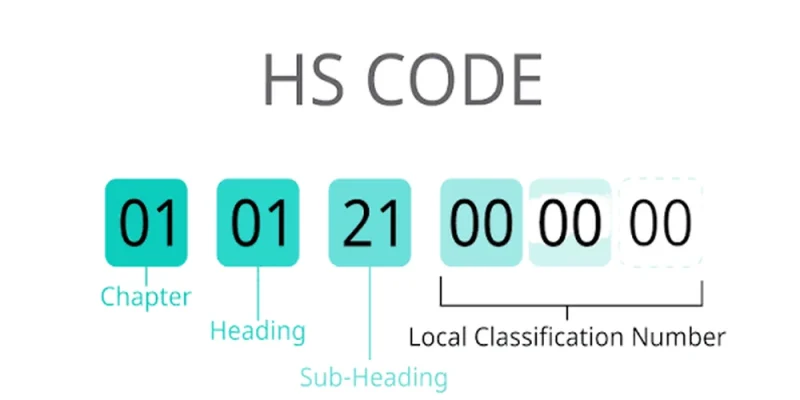
The World Customs Organization maintains this classification framework. More than 200 economies apply its structure today. Its logic moves from broad to precise.
- The first two digits identify a broad chapter.
- Four digits narrow goods into a specific heading.
- Six digits form the internationally shared subheading.
- Individual nations add extra digits for local tariffs.
Inventory Numbers Carry No Border Authority
A SKU changes whenever a company reorganizes its catalog. Regulators need stability that survives rebranding and mergers. That is why declarations require hs codes rather than seller-made labels. Duty rates attach to classifications, not internal numbers. Consider a ceramic mug sold under fifty SKU variants. Each variant shares one duty heading, regardless of glaze.
Can One SKU Need Multiple Classifications?
Bundled products create this exact puzzle. Picture a gift set with chocolate and candles. Retail software treats it as one sellable unit. Authorities may classify it by the component giving essential character. In other cases, each item gets declared separately. A spa kit with soap and towels follows similar rules. Packaging choices can shift the outcome.
Where Do Classification Mistakes Cost Exporters Most?
Errors rarely stay small once auditors spot them.
- Underpaid duties trigger back assessments.
- Penalties stack on repeat errors.
- Held cargo racks up storage fees.
- Preferential trade savings get revoked.
One wrong digit can void free trade eligibility. Corrections also delay payment from overseas buyers.
Linking Catalog Data to Tariff Lines
The shirt coded BLU-SH-M never meets an inspector. Its description, fiber content, and classification do. Smart importers treat that gap as a data design problem. Each SKU record can hold a verified tariff line. Then a catalog update cannot silently break a declaration. Get the mapping right once, and thousands of shipments inherit accuracy. The SKU becomes the courier, not the rival.
FAQs
Can a company list its SKU on a customs invoice?
Yes, invoices often list SKUs for internal reference, and that causes no harm. The declaration must still show the correct tariff classification and a clear product description, since officers assess duty from those details alone.
Are six-digit codes identical in each country?
The first six digits match across all participating nations, so a cotton shirt shares one subheading worldwide. Beyond that, India uses eight digits, while the US extends classification to ten for national duty rates.
Who is responsible for choosing the right classification?
The importer of record carries that legal responsibility, even when a licensed broker prepares the entry. Advance rulings from customs authorities can confirm a classification before goods ship, which protects against later disputes.
How often does the Harmonized System change?
The WCO revises the nomenclature about every five years, and the next edition takes effect in January 2027. Businesses should recheck their SKU-to-tariff mappings after each revision, because old codes may no longer exist.











Comments