
 By
By 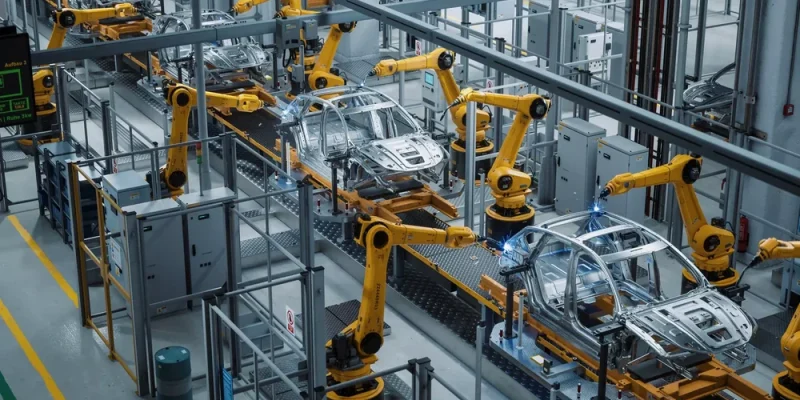
The automotive industry heavily relies on speed, precision, and reliable equipment to keep vehicles moving from production lines to workshops. While robotics and advanced machinery often get the most attention, compressed air is another important part of running automotive operations. Air compressors provide the power needed for tools, painting equipment, tyre servicing, automation, and several manufacturing processes.
Why Compressed Air Is Important in Automotive Operations
Compressed air is sometimes called the “fourth utility” in industrial settings, right alongside electricity, water, and gas. That’s because it’s clean, flexible, and dependable. In automotive settings, it provides steady power for tools and machines without the bulk or complexity of many other energy sources. Whether it’s a single-bay repair shop or a full-scale assembly plant, a solid compressed air system helps keep work moving and downtime to a minimum.
Key Applications of Air Compressors in the Automotive Industry
- Powering Pneumatic Tool
Pneumatic tools are commonly used in automotive workshops and service centres. Impact wrenches, air ratchets, drills, grinders, and sanders all rely on compressed air. These tools are particularly useful for tasks that require repeated operation and high torque. Their relatively compact and lightweight design can also make them convenient for technicians working on vehicles.
- Vehicle Painting and Finishes
Compressed air plays an essential role in automotive painting. Spray guns for painting vehicles use compressed air to apply primers, paints, and protective coatings evenly across vehicle surfaces. Air quality is especially important in this application. Moisture, oil, and other contaminants in the compressed air can affect the paint finish. Dryers and filters are therefore commonly used to provide cleaner air for painting applications.
Tyre Inflation and Servirement for tyre servicing. Workshops use compressed air to inflate tyres and adjust pressure during routine maintenance. Maintaining the recommended tyre pressure is important for vehicle safety, handling, and overall performance. A reliable compressor allows technicians to carry out these tasks quickly and consistently.
4. Automotive Manufacturing and Assembly
In manufacturing plants, compressed air drives much of the automation, robotic arms, material handling systems, and the pneumatic tools used in assembly. It also plays a role in testing components, pick-and-place operations, and even windshield production.
5. Manufacturing Electric Vehicles
As automakers shift toward EVs, compressed air hasn’t lost its importance; if anything, the demands have gotten stricter. Battery manufacturing calls for exceptionally clean, dry, moisture-free air, since even small amounts of contamination can compromise sensitive components.
Choosing the Right Air Compressor
There’s no single best compressor for every automotive business. The right choice comes down to air demand, operating hours, application, and required air quality. Piston compressors can be suitable for smaller workshops and intermittent applications, while rotary screw compressors are generally better suited to facilities with continuous and higher air demand. Air treatment equipment, including filters, dryers, condensate management systems, and suitable piping, should also be considered as part of the overall compressed air setup. As automotive manufacturing and servicing continue to evolve, compressed air will remain an important utility for supporting efficient, reliable, and precise operations.







Comments