
 By
By 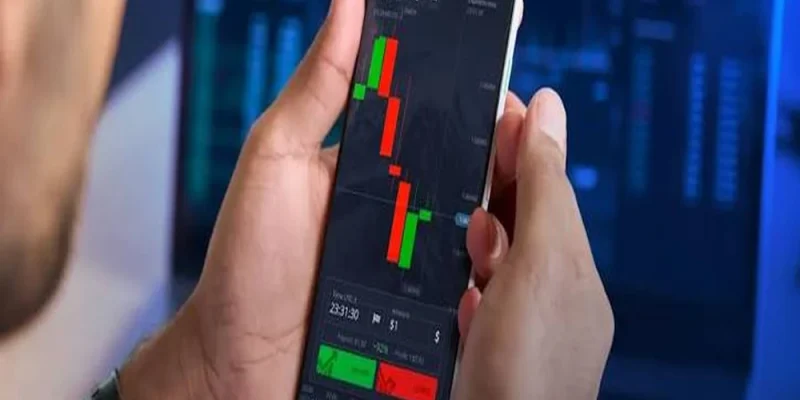
An Options Trading App allows users to study option contracts, compare strike prices, review expiry dates, place orders, and monitor open positions through a digital platform. These features can make derivatives trading more accessible, but they do not reduce the complexity of the product.
Options are affected by the underlying asset price, volatility, time remaining until expiry, liquidity, and market expectations. A trader may correctly anticipate market direction and still experience a loss because of time decay, an unsuitable strike, or a sudden change in volatility.
The platform selected should therefore provide more than quick order placement. It should make contract information, costs, margin requirements, and potential outcomes easy to understand.
Start With a Clear View of Options Contracts
An option is a derivative contract linked to an underlying instrument such as a stock or market index.
A call option generally gives the buyer the right to purchase the underlying asset according to the contract terms. A put option generally gives the buyer the right to sell under specified conditions.
The buyer pays a premium for this right. The seller receives the premium but may carry a larger obligation.
Every contract includes:
- An underlying asset
- A strike price
- An expiry date
- A lot size
- A call or put classification
- A market premium
Users should understand each of these details before submitting an order.
Look for a Clear Option Chain
The option chain is a central feature of a derivatives platform. It displays available calls and puts across multiple strike prices.
A useful option chain should show:
- Last traded premium
- Bid and ask prices
- Volume
- Open interest
- Change in open interest
- Implied volatility
- Strike price
- Expiry selection
The layout should allow users to compare contracts without moving through several screens.
In-the-money, at-the-money, and out-of-the-money contracts should be clearly identified. Selecting a strike without understanding these classifications can create unexpected risk and pricing behaviour.
Check Whether Expiry Dates Are Easy to Identify
Options have limited validity. Their value can change rapidly as expiry approaches.
The application should clearly separate weekly, monthly, and longer-dated contracts where available.
Users should be able to confirm:
- Exact expiry date
- Final trading session
- Settlement method
- Broker restrictions near expiry
- Open-position status
Choosing the wrong expiry can affect premium, liquidity, and time decay.
The platform may provide reminders, but the trader remains responsible for monitoring the contract.
Review Option Greeks
Option Greeks help explain how a premium may respond to different factors.
Delta
Delta estimates how much the premium may change when the underlying asset moves.
Theta
Theta reflects the effect of time decay. Option value may decline as expiry gets closer, even when the underlying price remains relatively stable.
Vega
Vega indicates sensitivity to changes in implied volatility.
Gamma
Gamma measures how delta may change when the underlying asset moves.
These figures are estimates rather than guarantees. They should be used to understand risk, not to predict an exact outcome.
Examine Payoff and Strategy Tools
Some applications provide payoff charts for single-leg and multi-leg positions.
A useful strategy screen may display:
- Maximum estimated profit
- Maximum estimated loss
- Break-even points
- Net premium
- Margin requirement
- Number of legs
- Expiry date
These tools can help users visualise possible results at expiry.
However, actual outcomes before expiry may differ because premiums are affected by volatility and remaining time. A payoff diagram should support analysis rather than replace understanding of each contract.
Test the Order Entry Process
The order screen should make every contract detail visible before confirmation.
Users should be able to verify:
- Underlying instrument
- Call or put
- Strike price
- Expiry
- Quantity
- Order type
- Premium
- Required margin
- Estimated charges
A single incorrect selection can create a completely different position.
The platform should clearly show whether an order has been completed, partly filled, rejected, modified, or remains pending.
Understand Market and Limit Orders
A market order attempts to execute at the best available premium. It may fill quickly, but the final price can differ when spreads are wide or liquidity is low.
A limit order allows the user to select a specific premium. It provides greater price control, but execution is not guaranteed.
Stop orders can support planned exits, although fast movement may lead to execution at a different available value.
Users should review bid and ask prices before placing an order, especially in contracts with low activity.
Compare Liquidity Across Contracts
Liquidity affects how easily a position can be entered or exited.
A contract with active volume and narrow bid-ask spreads may be easier to trade than one with limited participation.
Low-liquidity contracts can create:
- Wider spreads
- Delayed execution
- Partial fills
- Higher slippage
- Difficult exits
Open interest and volume should be reviewed together.
A high open-interest figure does not always mean that the contract currently has strong two-way activity.
Use Charts for the Underlying and the Contract
The platform should allow users to study both the underlying asset and the option premium.
The underlying chart can help assess price direction, support, resistance, and volatility. The option chart can show how the premium has reacted.
Useful tools may include:
- Candlestick charts
- Multiple intervals
- Volume data
- Price alerts
- Drawing tools
- Implied volatility history
A user comparing a share trading app india should check whether the platform clearly separates cash-market information from derivatives data, as the two products require different forms of analysis.
Charts should not be treated as certain forecasts. Unexpected news or market gaps can invalidate technical setups quickly.
Review Margin Requirements
Option buyers generally pay the premium, while sellers may need substantial margin.
Margin can change because of:
- Market volatility
- Contract value
- Exchange rules
- Position risk
- Strategy structure
- Expiry proximity
The application should show the estimated requirement before the trade is submitted.
It should also display available funds, used margin, and any shortfall.
Using the entire account balance for one strategy can create difficulties if margin requirements rise.
Calculate Every Applicable Cost
Brokerage is only one part of the total expense.
Options transactions may include:
- Brokerage
- Exchange charges
- Securities transaction tax
- Goods and services tax
- Stamp duty
- Regulatory fees
- Margin-related costs
Frequent trading can make these charges significant.
A position that appears profitable before expenses may produce a much smaller net result after both entry and exit costs are included.
The platform should provide detailed contract notes and downloadable transaction reports.
Use Alerts to Monitor Key Levels
Price alerts can help users monitor the underlying asset or selected premium without watching the screen continuously.
Alerts may be created for:
- Underlying price
- Option premium
- Implied volatility
- Open interest
- Margin utilisation
- Expiry reminders
Notifications should be connected to a defined trading plan.
Too many alerts can lead to impulsive decisions and unnecessary transactions.
Set Risk Before Entry
The maximum acceptable loss should be defined before a trade is placed.
A risk plan may include:
- Position size
- Entry condition
- Exit condition
- Maximum loss
- Profit objective
- Time-based exit
- Maximum daily exposure
Loss limits should be based on account size rather than confidence in one market view.
Increasing position size after a loss can create further damage and should be avoided.
Understand the Risk of Option Selling
Option selling may provide premium income, but the risk can be substantial.
An uncovered seller may face large losses if the underlying asset moves sharply.
Hedged structures may limit risk, but they introduce multiple legs and execution considerations.
Users should understand:
- Maximum possible loss
- Margin requirement
- Assignment or settlement rules
- Effect of volatility
- Risk near expiry
A strategy should not be selected merely because the platform labels it as popular or low risk.
Maintain a Position Journal
A trading journal can help identify whether decisions follow a repeatable process.
Each record may include:
- Contract details
- Market view
- Entry premium
- Exit premium
- Position size
- Expected risk
- Actual result
- Charges
- Mistakes
Performance should be evaluated over several trades.
One profitable position does not prove that a method is reliable, just as one loss does not automatically make the method invalid.
Prioritise Platform Reliability
Derivatives prices can move quickly during major announcements and volatile sessions.
The application should provide:
- Stable access
- Fast order updates
- Accurate profit and loss figures
- Margin alerts
- Browser backup
- Customer support
- Clear outage communication
No digital platform is guaranteed to remain available at all times.
Users should understand alternative processes for modifying or closing a position if the primary interface fails.
Protect Account Access
Security controls should include two-factor authentication, biometric login, device verification, and transaction alerts.
Users should not share:
- Passwords
- One-time verification codes
- Trading PINs
- Remote access to devices
- Banking credentials
The application should be downloaded only from an official source.
Unknown links, unofficial files, and unsolicited trading messages should be avoided.
Keep Options Capital Separate
Money used for derivatives activity should remain separate from emergency savings and goal-based investments.
Funds needed for rent, education, medical expenses, debt repayment, or household costs should not be exposed to short-duration market risk.
Leverage can cause losses to increase quickly.
Users should allocate only an amount they can afford to lose without affecting essential financial needs.
Review Account Support Before Trading
Before choosing a Free Demat Account App, users should confirm whether the platform charges for derivatives transactions, data access, account maintenance, margin funding, or advanced tools despite promoting free account opening.
They should also review support availability, statement access, risk disclosures, and closure procedures before activating options trading.
Conclusion
An Options Trading App should make complex information easier to review without making the risks appear smaller than they are.
A suitable platform should provide a clear option chain, visible contract details, reliable order tools, margin information, transparent charges, payoff analysis, strong security, and responsive support.
Traders should understand time decay, volatility, liquidity, expiry, and position risk before entering any contract. Technology can support execution, but disciplined planning remains the main form of protection.
Frequently Asked Questions
1. Is an options platform suitable for beginners?
It may be used only after the user understands contracts, premiums, expiry, strike prices, Greeks, margin, and possible losses.
2. Why can an option lose value even when the market view is correct?
Time decay, volatility changes, strike selection, and the size of the underlying move can affect the premium.
3. Are limit orders useful in options trading?
Yes. They can provide greater price control, particularly when bid-ask spreads are wide.
4. Can payoff charts guarantee the final result?
No. They provide estimates based on assumptions. Actual results before expiry may differ.
5. What should users check before selling options?
They should review maximum loss, margin, volatility, settlement rules, liquidity, and whether the position is properly hedged.










Comments