
 By
By 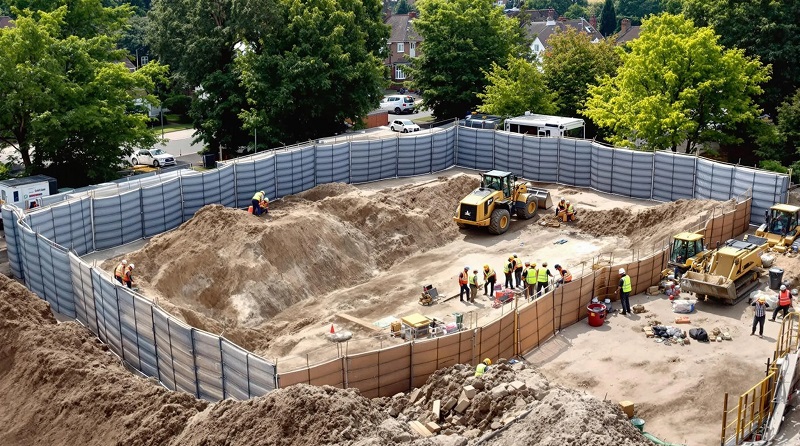
Walk through any fast-growing city and you’ll find cranes in the skyline and the steady hum of construction in the background. Building progress, however, brings a familiar challenge — noise. For contractors and developers, it’s not just about keeping neighbours happy; it’s about staying on the right side of local regulations.
That’s where noise barrier technology is making a big difference. It’s helping companies manage sound more effectively, reduce complaints, and avoid the costly delays that can come from compliance breaches. In a city like Singapore, where construction often takes place within arm’s reach of homes and offices, these solutions are becoming essential.
Understanding the Challenge of Construction Noise
Construction sites are naturally noisy environments. Piling, drilling, and heavy machinery can easily exceed acceptable sound levels, particularly in dense urban areas. When this happens, it doesn’t take long before residents, businesses, or even nearby schools start raising concerns.
The trouble is that noise is a legal and reputational risk. Many cities now have strict noise regulations, and repeated breaches can result in work stoppages, fines, or even the suspension of operating permits. Beyond that, negative public feedback can harm a company’s image and delay future tenders.
Noise management has therefore evolved from a secondary consideration into a crucial part of every project’s planning and risk strategy.
What Is Noise Barrier Construction Technology?
At its core, noise barriers for construction involve using temporary or semi-permanent barriers to block, absorb, or redirect sound away from sensitive areas. These barriers can take many forms — from large modular panels to lightweight acoustic sheets — depending on the site’s layout and the type of work being carried out.
Modern barriers are built with high-performance materials that combine sound absorption and reflection. Layers of PVC, fibreglass, or mineral wool are commonly used to trap and diffuse noise before it escapes the site. Some systems even include perforated surfaces or air gaps to improve acoustic efficiency.
The result is a less noisy, more controlled environment both inside and outside the project boundary.
Reducing Noise Complaints Through Better Acoustic Management
One of the biggest benefits of noise barrier technology is its impact on community relations. A site that manages its noise effectively earns the trust of surrounding residents and businesses.
When people feel their comfort has been considered, they’re far less likely to complain. This helps contractors maintain steady progress without facing interruptions or negative publicity. It also demonstrates corporate responsibility, something increasingly valued by clients, regulators, and the public alike.
Even small reductions in perceived noise can make a large difference in how nearby communities respond. For example, barriers that cut noise levels by 10–15 decibels can transform a disruptive rumble into background sound that people barely notice.
Helping Developers Meet and Exceed Regulations
Noise regulations in cities like Singapore are detailed and strictly enforced. Construction near residential or sensitive zones must operate within defined sound limits during specific hours. Breaching these thresholds can lead to formal notices or restrictions.
Integrating noise barrier technology from the start helps developers stay compliant. Barriers can be tested and certified to meet specific sound transmission class (STC) ratings, providing measurable assurance that they perform as required.
As regulations evolve, such as the new requirement from April 2025 for high-value projects to include six-metre-tall perimeter barriers, early adoption of noise management systems allows developers to stay ahead of compliance changes instead of scrambling to adjust later.
Improving On-Site Efficiency and Worker Safety
Noise barriers don’t just protect the public; they also improve working conditions for site teams. Excessive noise can make communication difficult and increase fatigue, leading to mistakes and safety risks.
A well-designed noise barrier setup reduces these issues by creating a calmer, more focused environment. Workers can hear instructions more clearly, concentrate better, and operate machinery with greater confidence.
Some contractors report higher productivity and fewer incidents when acoustic control systems are in place. It’s a reminder that effective noise management benefits everyone involved, not just those outside the fence.
Flexibility and Innovation in Barrier Design
Today’s noise barriers are smarter, lighter, and more adaptable than ever. Contractors can choose from modular systems that can be repositioned as the project progresses or temporary barrier sheets that attach directly to scaffolding and hoarding.
This flexibility is particularly valuable for urban sites where space is limited. Teams can install barriers quickly, move them as work zones change, and reuse them on future projects.
Recent innovations include weather-resistant coatings, improved acoustic cores, and modular locking mechanisms that make assembly faster and safer. These practical improvements mean barriers no longer feel like cumbersome add-ons, but rather essential tools for efficient site management.
Preventing Costly Delays and Disruptions
Noise complaints and compliance breaches don’t just affect reputation — they can directly impact the project timeline. Each complaint might trigger inspections, temporary work halts, or even mandatory retrofits of acoustic systems.
Integrating noise barrier technology early can help contractors prevent these setbacks. They can also use data from sound monitoring equipment to demonstrate compliance, showing regulators and clients that the site is operating responsibly.
In many cases, the cost of installing barriers is far lower than the expense of dealing with delays, fines, or lost business opportunities. It’s a clear example of prevention being better than cure.
Supporting Sustainable Construction Practices
Sustainability is becoming a key factor in every stage of modern construction, and noise control is part of that story. Many noise barrier systems are designed for reuse, helping reduce waste between projects.
Reusable barriers made from recyclable materials align with Singapore’s push for greener construction under the Green Plan 2030. They not only manage noise effectively but also contribute to the industry’s environmental goals.
The Future of Noise Control on Construction Sites
The next generation of noise barrier systems is likely to include smart monitoring tools and real-time acoustic sensors. These technologies will allow contractors to track sound levels continuously and adjust operations before a breach occurs.
Automated reporting may also become common, making it easier to prove compliance and respond quickly to concerns. With this kind of proactive management, noise control will become as standard as dust suppression or site safety checks.
The industry’s growing focus on acoustic innovation suggests that future construction sites will be safer and more community-friendly than ever.
Final Thoughts
Noise may be an unavoidable part of building progress, but how it’s managed defines a project’s success. Noise barrier technology is transforming the way developers handle this challenge, offering a practical and reliable way to reduce complaints, meet regulations, and maintain community trust.
As cities continue to grow denser, the ability to control noise efficiently will only become more important. Contractors who invest in modern barrier systems are future-proofing their operations and setting new benchmarks for professional, responsible construction.






Comments